Home > News > The impact of Brexit on the British luxury industry

The impact of Brexit on the British luxury industry

Posted Apr 08, 2026
Information

How has Brexit affected the British luxury industry?

According to a recent report by Walpole, the industry body representing Britain’s luxury sector – including brands like Burberry, Alexander McQueen, and Harrods – the impact of Brexit has been both structural and long-lasting.

Exports of British luxury goods to the EU are now estimated to be 43% lower than they would have been without Brexit, a gap that has widened in parallel with new trade barriers.

Combined with rising tariffs, longer lead times, and shifting global demand (particularly a slowdown in China), these challenges have reshaped how British luxury brands operate, forcing them to rethink their European strategies.

Luxury perfurme bottle

What regulations are affecting the British luxury industry the most?

Here are the major Brexit regulations which are affected British luxury companies
#1 Delays to deliver their goods

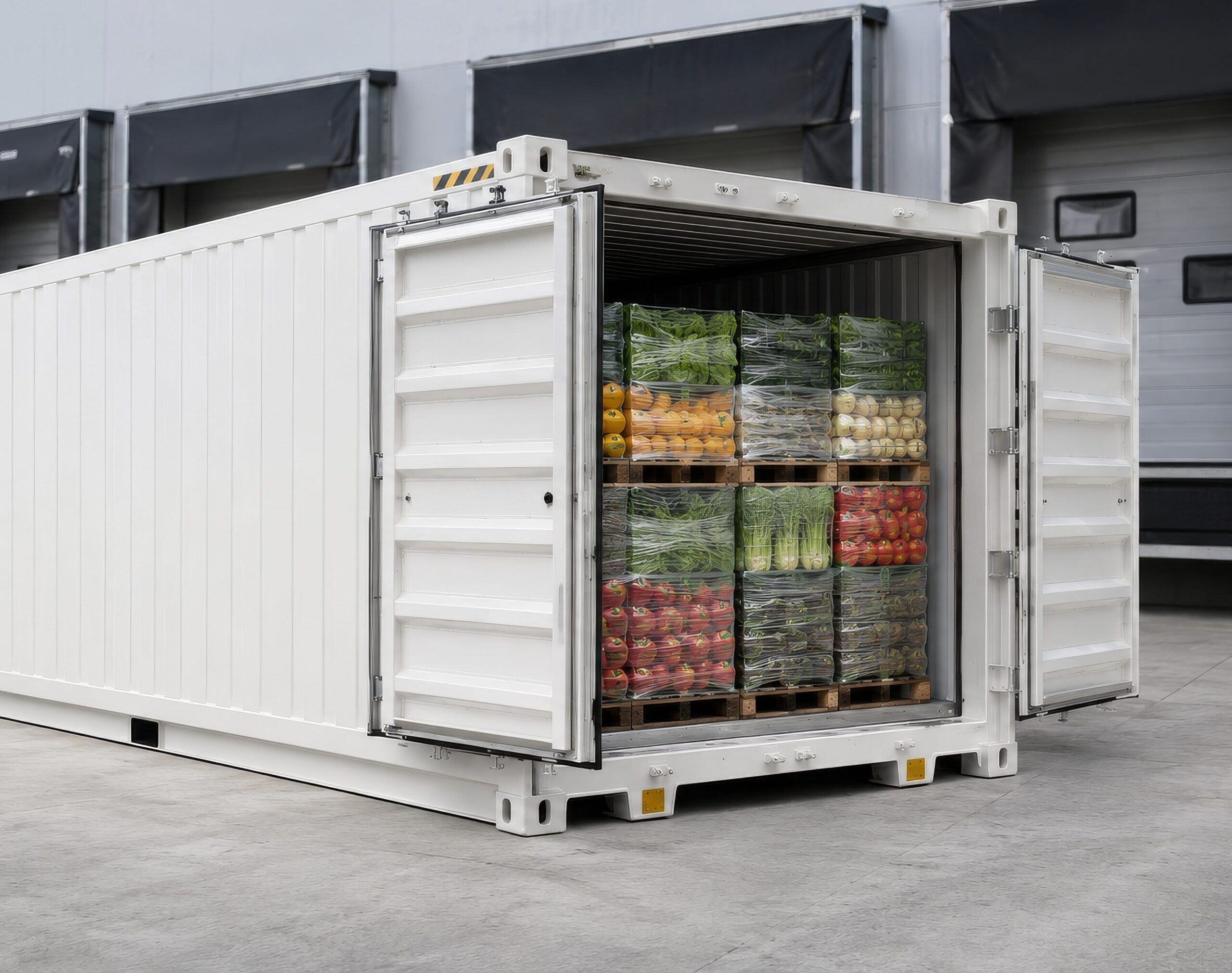
Since leaving the single market, British brands have faced longer delivery times due to new customs procedures and certification requirements.
Among the most significant changes:

  • Transition from CE to UKCA marking:
    Goods sold in the UK must now display the UKCA mark, while products entering the EU must continue using the CE label. Dual certification – mandatory from 2028 – adds cost and complexity, particularly for luxury manufacturers with cross-border supply chains.
  • Sanitary and phytosanitary controls:
    Luxury goods containing animal-derived materials (e.g., leather, cosmetics, textiles) are now subject to new border checks. Each shipment requires detailed documentation, extending lead times and increasing risk of delay.
#2 Rules of origin

To qualify for tariff-free export under the UK–EU Trade and Cooperation Agreement, goods must meet strict rules of origin.
In luxury manufacturing – where products often integrate materials from multiple countries – compliance has proven particularly difficult.

“A product shall not be considered as originating in a Party if the production of the product in a Party consists only of one or more of the following operations conducted on non-originating materials.”
(Article ORIG.7 – UK–EU TCA)

For many heritage brands, this rule means reconfiguring supply chains or accepting higher tariffs on goods previously traded freely.

#3 Return/ refund policy

Even after delivery, the regulatory complexity continues.
When British goods enter the EU, they are subject to import duties and VAT.
But when customers return those same goods, retailers often face double taxation, as returned items are treated as new imports unless their original export can be proven.

Meanwhile, VAT refund procedures for UK businesses are now handled under non-EU rules, which differ by country and involve longer processing times – a significant burden for luxury retailers operating across multiple European markets.

Source : Law society

Do you want to access the EU market more easily?

Discover how our Cross-Channel experts can support you
We create tailored support to give you concrete solution to access the EU market and fast-track your development.
#1Express your needs
#2We contact you back shortly
#3We put you in touch with the right contacts
Get in touch with our experts now
Luxury perfurme bottle

British luxury industry: is having a base in the EU the solution to overcome Brexit challenges?

Increasingly, British luxury brands are finding that the solution lies on setting up into the EU.
By establishing a base within the EU, companies can simplify customs, optimise logistics, and maintain direct relationships with distributors and clients.

#1 A strategic location

Just a short distance from London, the region connects the UK to five major European capitals. As one investor put it:

“We searched all over Europe to find the best location for us. In the end, everything convinced us to put down roots in the Hauts-de-France region, where 83 million consumers within a 300km radius, including many of our customers.“ – Eugène Deleplanque – CEO of Dickson Constant

#2 Smart transport infrastructures to deliver your clients

The region is the closest European continental neigbour to the UK with direct access via the Eurotunnel and multiple ports, the region ensures fast and secure delivery of high-value goods across Europe.

#3 Access to talent and skills

The luxury sector in Hauts-de-France employs more than 12,000 people, supported by a strong regional network of 30 specialised degree programmes dedicated to fashion, design, and craftsmanship.
The region also ranks 4th in France for factory-schools in health and cosmetics, offering hands-on training tailored to the specific needs of luxury and beauty companies.

#4 A heritage in the luxury industry

Northern France has a long-standing tradition of craftsmanship and textile innovation, making it a natural home for luxury manufacturing.
The region hosts prestigious names such as Le Creuset, Verescence, and Chanel, as well as four L’Oréal Luxe production sites, a testament to its unique blend of industrial know-how, creative heritage, and excellence in high-end production.

Tailored support from the UK Business Centre Lille

Expanding into France can be transformative, but it requires local expertise.
That’s where the UK Business Centre Lille (UKBC Lille) comes in.

Our teams provide end-to-end support for British luxury brands seeking to establish their European presence:

  • Customs and VAT representation to ensure compliance and smooth trade flows.
  • Legal and administrative guidance for setting up subsidiaries
  • Operational support in HR, logistics, and relocation to accelerate your expansion.
  • Public support for your expansion project
  • Local networking to connect with suppliers, regional institutions, and innovation clusters during our events
Start your EU journey now
Clients shaking hands

5 key takeways about the impact of Brexit on the luxury industry

  • Brexit has created a lasting export gap for British luxury brands. British luxury exports to the EU are estimated to be 43% lower than they would have been without Brexit, showing that the impact is not temporary but structural.
  • Trade friction now affects every stage of the customer journey. From customs checks and dual certification requirements to rules of origin and complex return procedures, British luxury companies now face higher costs, longer lead times, and greater administrative pressure.
  • Compliance is becoming a strategic issue, not just an operational one. With dual UKCA and CE marking becoming mandatory from 2028 for relevant products sold across both markets, brands must rethink sourcing, logistics, and market access models.
  • Establishing an EU base can be a powerful competitive advantage. Hauts-de-France offers immediate proximity to the UK and access to 83 million people within a 300km radius, making it a strategic gateway for serving European clients faster and more efficiently.
  • The region combines logistics, talent and luxury expertise. With more than 12,000 luxury-sector jobs, 30 specialised degree programmes, a 4th-place ranking in France for factory-schools in health and cosmetics, and a strong presence of luxury brands, Hauts-de-France provides the ecosystem British luxury brands need to scale in Europe.
(+33) 3 53 32 00 54 Contact us