What is a VAT registration in France?
A VAT number (often referred to as a VAT registration) is the unique identifier that allows a taxable person – a company carrying out taxable transactions – to declare VAT, charge VAT when required, and file VAT returns under the French tax system.
In practice, the French VAT number becomes the administrative key that unlocks compliant operations on French territory, especially when your taxable activity triggers VAT obligations locally. Typical cases include importing goods into the country, selling goods to consumers, or making certain B2B supplies that require local reporting.
And importantly, VAT is not only about goods. Many UK companies also sell services (digital services, consulting services, engineering services, after-sales services). The VAT treatment can differ, and the French tax authorities will look at the nature of the transaction, where it is supplied, and whether it is taxable.
The impact of Brexit on British companies’ VAT number in France
Brexit pulled the UK out of the EU VAT area. Following Brexit, what used to be routine EU trade became a series of operational decisions: where goods enter the EU community, who accounts for VAT, which VAT returns are required, and what documentation supports the flow.
During the UKBC Lille roadshows in March 2026 organised in Scotland, Michael Boulanger (BBL Group) kept coming back to the same point:
“sometimes, the most effective starting move is also the simplest: VAT number in France.”
In other words, many UK companies don’t need to “build Europe” overnight. They need the right VAT number, the right tax process, and the right logistics route to restart trade without delay.
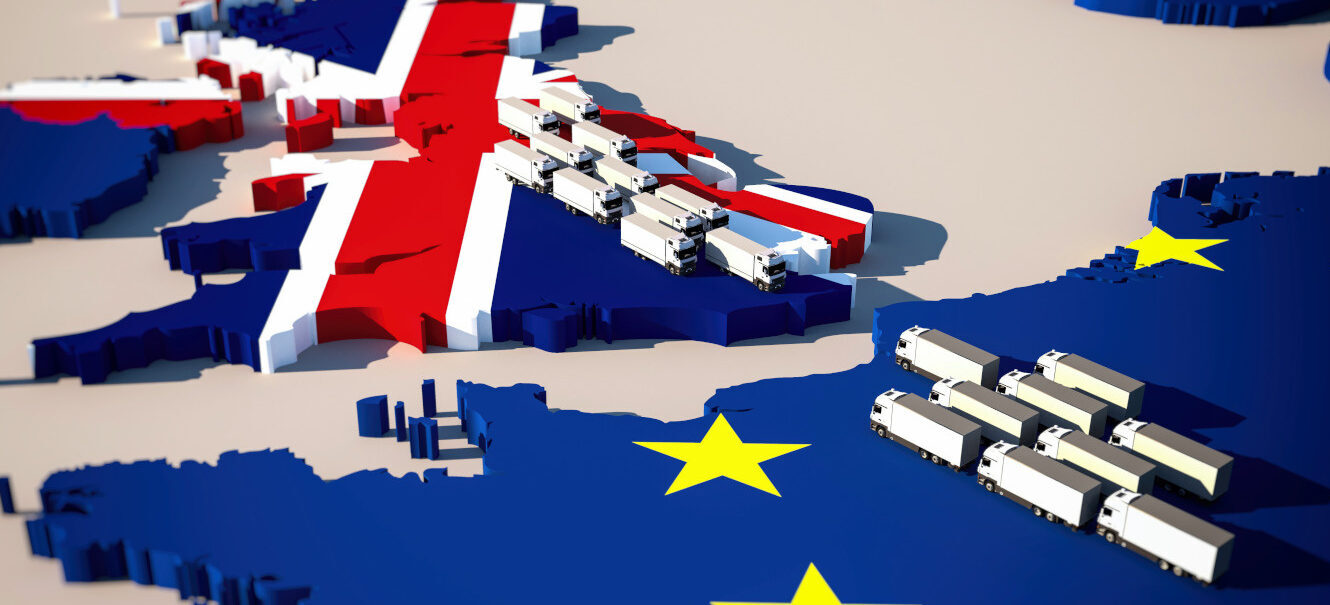
Why do British companies need to do a VAT registration in France?
French VAT rules depend on where a company is established and what transactions it carries out locally. If a foreign company (with no permanent establishment) makes certain supplies connected to French territory, it may need to register for VAT and obtain a VAT number to report and pay VAT where applicable.
For UK exporters, there is a key post-Brexit nuance: although the UK is now a non-EU country, it appears on the French tax authority’s list of countries for which a tax representative is not mandatory. A UK company can often obtain a VAT number without appointing one; though it may still choose to use an agent to manage the process and liaise with the tax authorities.
In day-to-day terms, this matters because VAT obligations often sit at the centre of EU trade flows:
- imports and onward EU distribution,
- intra-Community supplies and intra-Community acquisitions,
- B2C sales of goods,
- and the VAT treatment of cross-border services.
Getting the VAT number right – and the tax process following the VAT number – reduces risk, avoids delays, and supports smoother trading.
What is the benefit of having a VAT number for British companies?
For many UK companies, obtaining a VAT number can be the first controlled step towards doing business in the EU community, without committing to a full set-up too early.
A VAT number can help you:
Test the market and start trading in a controlled way
Build an operational pathway that fits EU requirements
Keep options open before committing to heavier structures and having a permanent company
In short: it can allow you to start trading locally with fewer constraints, while you learn which volumes, channels, and customer profiles justify going further. Following the first months of sales, many companies refine their route: they adapt Incoterms, optimise logistics, and confirm whether the model supports long-term EU growth.
How the UK Business Centre Lille can help you do your VAT registration in France
One of the most useful takeaways from the Masterclasses we organised with the Scotland Office is that VAT is rarely a standalone issue. Companies arrive asking for a number; they leave realising VAT connects to everything else: customs choices, logistics routes, invoicing flows, and even customer experience.
That’s where the UKBC Lille’s model becomes concrete. We don’t just “tell you to register your VAT”. We connect you to the right specialists – like our partner BBL Group -and help you map VAT registration into a broader, coherent EU route (via France, and particularly via Hauts-de-France as a gateway region).
BBL Group, for its part, sits at the intersection of what exporters struggle to connect:
- VAT
- Customs
- Logistics
- Transport
And in a post-Brexit world, that intersection is exactly where costs and delays tend to hide.

You want to go further than doing your VAT number? 2 other options: setting up in France or the liaison office
A VAT number can be a first step, but it is not the only path. Depending on strategy and scale, UK companies usually consider the following options.
The liaison office option
A liaison office exists, but in practice it’s the least commonly used option. It creates a light, non-commercial presence for market research and local coordination, without running commercial activity locally.
The key is discipline: if the office starts taking orders, signing contracts, or acting like a sales team, tax authorities may treat it as a permanent establishment, and that can trigger wider tax obligations (beyond VAT), additional reporting and compliance. Permanent establishment risk is one of the most misunderstood topics among foreign companies, which is why professional advice matters.

Setting up in France or more particularly Northern France
A VAT number can take you far, but when EU volumes grow, many companies need more than admin compliance. That’s when they consider setting up operations in France, and in practice Hauts-de-France is often the most logical landing point.
Hauts-de-France is the closest continental region to the UK and a natural gateway into the EU community. For many UK companies, it offers:
#1 Closeness to your headquarters in the UK
#2 Smart transport infrastructures
#3 A dynamic ecosystem
#4 Attractive operating costs
#5 Assistance from local authorities
🔎 Download our free guide on doing business in France and Hauts-de-France.
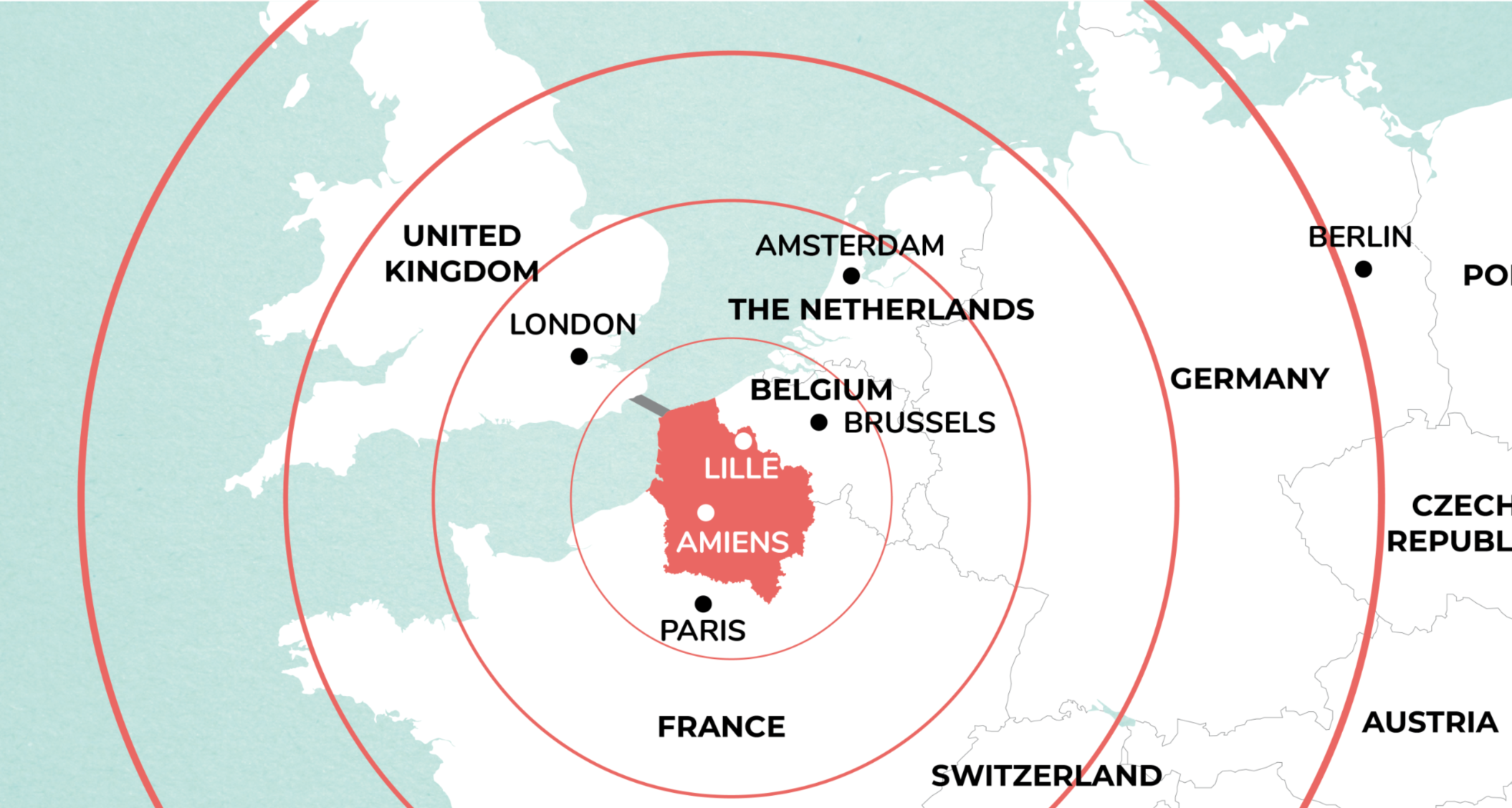
Want guidance to trade in France and Europe? The UKBC Lille puts you in touch with the right contacts

5 key takeaways: VAT number in France for British companies
- A French VAT number can be a practical first step into the EU market, without setting up a full structure immediately.
- Following Brexit, VAT and customs decisions became more strategic: goods flows, documentation and tax reporting now shape competitiveness.
- UK companies may need to register for VAT depending on their taxable transactions (goods and services), including intra-Community flows.
- The UK Business Centre Lille helps companies connect with trusted partners like BBL Group and build a coherent EU route.
- VAT is only one lever: depending on volumes, companies consider the following options: liaison office (rare, permanent establishment risk) or operational set-up, often in Hauts-de-France.
Discover our latest news
James Hutton Limited interview: what Scottish plant science companies need to grow in France

Corpora.ai interview: why UK AI companies see Lille as a practical gateway to France and the EU